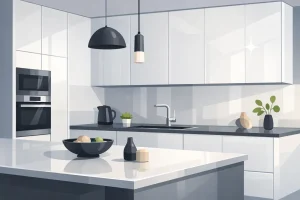

A painted kitchen can look crisp on day one and still feel like the right choice years later, but the material beneath the paint makes a real difference. Real wood painted cabinets pair the clean, tailored look homeowners want with the strength, repairability, and customization that make a renovation feel like a lasting upgrade rather than a cosmetic refresh.
For homeowners comparing cabinet options, real wood is often the premium choice for good reason. It offers a solid foundation for painted finishes, handles everyday use well, and supports details that give a kitchen a more custom appearance. The best material is not automatically the most expensive one, though. It should suit your layout, household, design goals, and renovation budget.
What Are Real Wood Painted Cabinets?
Real wood painted cabinets use natural wood components, commonly for cabinet doors, drawer fronts, and face frames, finished with an opaque painted color rather than a visible stain. Depending on the cabinet construction, plywood may also be used for cabinet boxes because of its strength and stability.
The paint covers the wood grain, creating a smooth, unified color that works equally well in modern, transitional, and classic kitchens. White remains a popular choice, but homeowners are increasingly choosing soft gray, warm greige, deep navy, forest green, and muted black for an elevated, personalized look.
Unlike a wood-stained finish, paint does not aim to showcase the grain. What it does showcase is the cabinet profile. Shaker doors, slim rails, raised panels, and decorative trim all become more noticeable when the color is consistent across the kitchen.
Why Homeowners Choose Real Wood Painted Cabinets
The first benefit is substance. Real wood doors and frames have a weight and solidity that homeowners notice every time they open a cabinet. They are well suited to kitchens that see frequent use, from busy family mornings to regular entertaining.
Painted wood also gives you broad design freedom. A homeowner may want a bright white perimeter with a charcoal island, or warm off-white cabinets paired with natural oak flooring. With custom-oriented cabinetry, color, door style, hardware, and storage features can work together instead of forcing the kitchen into a limited package.
Real wood can also be repaired more successfully than many lower-cost surfaces. Small chips, dents, or worn areas may be touched up, filled, sanded, and refinished by a qualified professional. That does not mean every repair disappears completely, especially with darker colors or heavily textured wood, but the cabinet is not automatically beyond saving after a minor accident.
There is also a long-term value consideration. Quality cabinetry helps a kitchen feel permanent and well built, which matters when you are investing in countertops, flooring, lighting, and appliances around it. A carefully designed painted wood kitchen can support both daily enjoyment and future resale appeal.
The Honest Trade-Off: Painted Wood Can Move
Wood is a natural material. As humidity and temperature change through the seasons, wood can expand and contract slightly. In the Greater Toronto area and other regions with cold winters and humid summers, that movement can sometimes create fine lines at door joints or along detailed profiles.
These hairline cracks are often called paint-line cracking. They are not necessarily a sign of poor construction. They can be a normal characteristic of painted solid wood cabinetry, particularly on five-piece Shaker doors where the frame components meet.
Homeowners should know this before choosing the material. If you expect a perfectly uniform surface with no potential movement lines over time, painted HDF can be a stronger fit. HDF is engineered for a very smooth painted appearance and does not react to seasonal humidity in the same way as solid wood.
On the other hand, many homeowners prefer the natural feel, durable construction, and classic character of painted wood, accepting that minor finish maintenance can be part of owning a natural-material kitchen. It depends on whether your priority is authentic material character or the most consistently smooth paint surface possible.
Real Wood vs. Painted HDF Cabinets
Both options can create a high-end painted kitchen. The better choice comes down to how you balance appearance, budget, and performance.
Real wood painted cabinets are an excellent option when you value natural materials, solid door construction, traditional joinery, and the ability to repair or refinish components in the future. They are especially fitting for Shaker, transitional, and classic kitchen designs, although they can look strikingly modern with flat hardware and a simplified layout.
Painted HDF cabinets are often chosen for their exceptionally smooth surface and stable paint finish. HDF does not have a visible grain pattern and is less likely to show joint movement through paint. It can be a practical option for contemporary kitchens, condo renovations, and homeowners who want the painted look while maintaining tighter budget control.
Neither material should be judged by a sample alone. Ask about door construction, cabinet box material, hinge quality, drawer hardware, interior finishes, and installation planning. A beautiful door style will not compensate for weak hardware or poor layout decisions.
Choosing the Right Paint Color and Door Style
Paint color changes how a kitchen feels, but it also changes how practical it is. Bright white cabinets can make a smaller kitchen feel open and clean, especially when paired with light counters and reflective backsplash tile. Softer whites and warm neutrals are more forgiving in kitchens with creamy flooring, warm lighting, or natural stone.
Darker painted cabinets bring depth and contrast. Navy, green, and black can look refined on an island or lower cabinets, particularly in a larger kitchen with sufficient natural light. In a compact kitchen, using dark colors only on a focal area can create interest without making the room feel enclosed.
Door style should support the home, not compete with it. Shaker doors offer a versatile, enduring look and work across many renovation styles. Slim Shaker profiles feel more contemporary. Raised-panel doors suit traditional homes, while simple slab fronts create a cleaner, modern direction.
Before finalizing a color, view a large sample in your actual kitchen. Paint can look noticeably different under daylight, warm ceiling lights, and under-cabinet lighting. Consider the countertop, backsplash, flooring, wall color, and appliance finish together rather than choosing cabinets in isolation.
Construction Details That Matter More Than a Trend
A painted finish gets attention, but the cabinet’s everyday performance comes from what is behind it. Look for sturdy cabinet boxes, quality plywood where appropriate, soft-close hinges, full-extension drawer slides, and durable edge finishing. These details affect how the kitchen feels after thousands of openings and closings.
Storage planning is just as important. Deep drawers for pots, pull-out organizers, waste and recycling solutions, pantry storage, and properly sized corner cabinets can make a modest-size kitchen work harder. Custom-oriented cabinetry allows you to direct more of the budget toward the areas that improve daily use instead of paying for features you do not need.
Factory-direct pricing can also change the equation. By reducing traditional showroom markups, homeowners may be able to choose premium materials or more functional storage without pushing the project beyond budget. MapleKing Kitchen Cabinets helps homeowners compare finishes and construction options based on their actual renovation goals, not a one-size-fits-all sales package.
How to Care for Painted Wood Cabinets
Painted wood cabinets do not require complicated maintenance. Wipe spills promptly with a soft cloth and mild soap diluted in water, then dry the surface. Avoid abrasive pads, harsh degreasers, waxes, and steam cleaners, which can dull or damage the finish over time.
Use cabinet hardware rather than pulling doors open by their edges, especially around high-use drawers and trash pull-outs. Keep humidity reasonably stable when possible, and run ventilation while cooking to reduce prolonged exposure to steam and grease.
If a chip appears, address it early. A small touch-up is usually easier to blend before the area collects moisture or dirt. Keep in mind that touch-up paint may age differently than the original finish, so larger repairs are best handled professionally.
A Better Starting Point for Your Kitchen Plan
Real wood painted cabinets are a strong choice for homeowners who want affordable luxury with the substance to match. They offer a polished painted look, meaningful design flexibility, and the confidence of natural materials, while asking for realistic expectations around seasonal wood movement and finish care.
The most successful kitchen is not the one that follows a color trend most closely. It is the one that fits how you cook, store, gather, and live. Start with the material and layout that serve your household well, then choose a painted finish that makes opening the kitchen door feel like coming home to an upgrade you will enjoy every day.