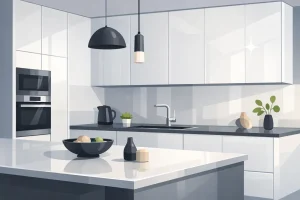

When you're ready to start looking for kitchen cabinets in Toronto, your first big decision is surprisingly simple: will you go with stock, semi-custom, or fully custom cabinets? It might seem like a small detail to start with, but this one choice shapes everything else—your budget, your timeline, and the final look of your kitchen.
Your Project Roadmap for a Toronto Kitchen Renovation

Jumping into a kitchen renovation is exciting, but let’s be honest, the number of choices can be dizzying. Think of this guide as your personal roadmap, here to help you sidestep the confusion and focus on what really counts for your home. Forget about picking colours or hardware for a minute. The real starting line is understanding the three main types of cabinets.
Each option strikes a different balance between personalization, price, and how quickly you can get it done. Nailing this first decision is all about matching the cabinet type to your specific needs and the unique character of your Toronto home.
Defining Your Core Needs
Before you even step into a showroom, take a moment to get clear on your goals. The best projects start with a solid "why." Are you trying to squeeze every inch of storage out of a tight downtown condo? Or are you dreaming of a show-stopping culinary hub for your spacious Markham house? Knowing your primary goal will make every other decision easier.
Ask yourself these key questions:
- Space Optimization: Are you dealing with a quirky layout, sloped ceilings, or odd corners? Custom solutions are brilliant at making non-standard spaces work perfectly.
- Aesthetic Vision: Do you have a very specific look in mind that requires a unique colour or door style? This is where semi-custom and custom cabinets really shine, offering far more creative leeway than off-the-shelf options.
- Lifestyle and Use: How does your kitchen really get used? A busy family that cooks every night will need durable, functional cabinets, while someone who mainly entertains might prioritize style.
Setting a Realistic Initial Budget
Your cabinets will be the biggest line item in your kitchen budget, typically eating up 40-50% of the total renovation cost. Stock cabinets are the most wallet-friendly way to get started. At the other end of the spectrum, fully custom cabinetry is the premium choice. Semi-custom options sit comfortably in the middle, offering a great mix of personalization and value.
The market for kitchen cabinets in Toronto is booming, thanks to a hot real estate market and a wave of home renovations. In fact, the Canadian cabinet manufacturing industry is now valued at an estimated $1.5 billion in yearly sales, which shows just how much homeowners are willing to invest in quality kitchens that add real value to their properties. You can find more data on the Canadian cabinet manufacturing industry to see the trend.
By first understanding the fundamental differences between cabinet types and aligning them with your personal needs and budget, you equip yourself to navigate the Toronto market with confidence and make smarter, more informed decisions for your home.
Choosing the Best Cabinet Materials and Finishes
The look, feel, and lifespan of your kitchen all come down to the materials and finishes you pick for your cabinets. This single decision affects everything from daily clean-up to the long-term value of your home, especially here in Toronto where the seasons really put our homes through their paces. Getting a handle on the key differences is the first step to making a choice you'll be happy with for years.
Think of it like choosing a winter coat. Solid wood is that classic, beautifully tailored wool peacoat—it's got character, it lasts forever, and it never goes out of style. But, it can also be a bit fussy, expanding and contracting with the GTA's humid summers and dry winters.
Then you have engineered woods, which are more like a high-tech performance parka. They're built for stability and consistency, giving you a smooth, predictable surface that isn't bothered by changes in the weather. These materials are the perfect canvas for those sleek, modern finishes everyone loves.
Getting to the Core: What Your Cabinets Are Made Of
When you start shopping for kitchen cabinets in Toronto, you’ll find that the "bones" of the cabinet boxes and doors are typically made from one of three main materials. Each one has its own personality, making it a better fit for different budgets, styles, and family needs.
- Plywood: This is a real workhorse. It’s made by gluing together thin layers of wood veneer, creating a super-strong and moisture-resistant board. That layered construction means it's much less likely to warp than solid wood, giving you a tough, reliable foundation for your kitchen.
- Medium-Density Fibreboard (MDF): If you're dreaming of a perfectly smooth, painted finish, MDF is your best friend. It’s an engineered product made from fine wood particles, wax, and resin, all pressed together under immense heat and pressure. The result is an incredibly uniform surface with no grain, making it the ideal base for a flawless coat of paint.
- Particleboard: As the most budget-friendly option on the block, particleboard is made from wood chips and other particles bonded with an adhesive. It gets the job done at a lower cost, but it's the most vulnerable to moisture damage and isn't as durable over the long haul as plywood or MDF.
Your cabinet's core material is the unsung hero of your kitchen. The finish gets all the glory, but the core determines how well your cabinets will handle a decade of slamming doors, heavy pots, and the general chaos of a busy home.
To make things a little clearer, here’s a quick breakdown of how these materials stack up against each other.
Comparing Popular Kitchen Cabinet Materials
This side-by-side comparison of common cabinet materials can help you decide based on durability, cost, and appearance.
| Material | Average Cost (Per Linear Foot) | Pros | Cons | Best For |
|---|---|---|---|---|
| Plywood | $150 – $400 | Very strong, holds screws well, moisture-resistant. | More expensive than MDF/particleboard, surface can have imperfections. | High-end kitchens, cabinet boxes, and anyone prioritizing longevity. |
| MDF | $100 – $300 | Perfectly smooth surface, no wood grain, affordable. | Heavy, susceptible to water damage if not sealed, can't be stained. | Painted cabinet doors, decorative panels, and modern designs. |
| Particleboard | $70 – $250 | Most affordable option, lightweight. | Prone to moisture damage and sagging, doesn't hold screws well over time. | Budget-conscious projects, rental properties, or low-use areas. |
| Solid Wood | $200 – $600+ | Beautiful natural grain, can be refinished, long-lasting. | Can warp or crack with humidity changes, most expensive option. | High-end traditional kitchens, cabinet doors, and face frames. |
Ultimately, the best choice depends on finding the right balance for your specific project.
The Finishing Touch: Bringing Your Style to Life
The finish is where your kitchen's personality truly shines through. It's not just about colour; it's a protective shield that dictates how easy your cabinets are to clean and how well they'll stand up to daily life.
Painted Finishes
A coat of paint, usually over a super-smooth base like High-Density Fibreboard (HDF), opens up a whole universe of colour. You have total creative freedom, whether you're going for a timeless white, a sophisticated grey, or a bold, dramatic colour that makes a statement. A quality paint job results in a durable, easy-to-wipe-down surface with a clean, consistent look.
Stained Finishes
If you're someone who appreciates the natural warmth and character of wood, a stain is the only way to go. Stains are designed to soak into the wood, enhancing the natural grain pattern instead of hiding it. This finish gives a timeless, classic feel that really celebrates the unique beauty of woods like maple or oak.
Laminate and Thermofoil
These modern finishes involve bonding a layer of vinyl or plastic over a core material like MDF. They offer a great combination of durability and affordability.
- Laminates are famous for being incredibly tough. They resist scratches, stains, and moisture like a champ, making them a super practical choice for busy families and high-traffic kitchens.
- Thermofoil is a vinyl finish that's heat-fused directly onto the cabinet door, creating a smooth, seamless surface that's a breeze to clean. It comes in a huge range of solid colours and sheens, offering a consistent, modern look without breaking the bank.
Nailing the right combination of material and finish is where the magic happens. For a much deeper look into the pros and cons, check out our complete guide on the best materials for kitchen cabinets. By balancing your style, budget, and daily needs, you can choose cabinets that will not only look fantastic but also perform beautifully for years to come.
Budgeting for Kitchen Cabinets in Toronto
Let's talk money. A solid, realistic budget is the absolute foundation of a stress-free kitchen renovation. It’s easy to get caught up in the showroom price tags when you're looking at kitchen cabinets in Toronto, but the final number on the invoice is always more than just the cost of the boxes. Getting a handle on the full financial picture right from the start is the best way to avoid nasty surprises and keep your project running smoothly.
The final cost of your cabinets really comes down to your choices. Think of it as a sliding scale where the size of your kitchen, the materials you pick, and the level of customization are the main controls. Stock cabinets are your most budget-friendly starting point, while fully custom, built-from-scratch solutions sit at the premium end. Semi-custom options land right in the middle, offering a great balance between personalization and price.
To make a smart decision, you need to see how different materials will affect your bottom line. This handy infographic breaks down the relative costs of the most common cabinet materials.
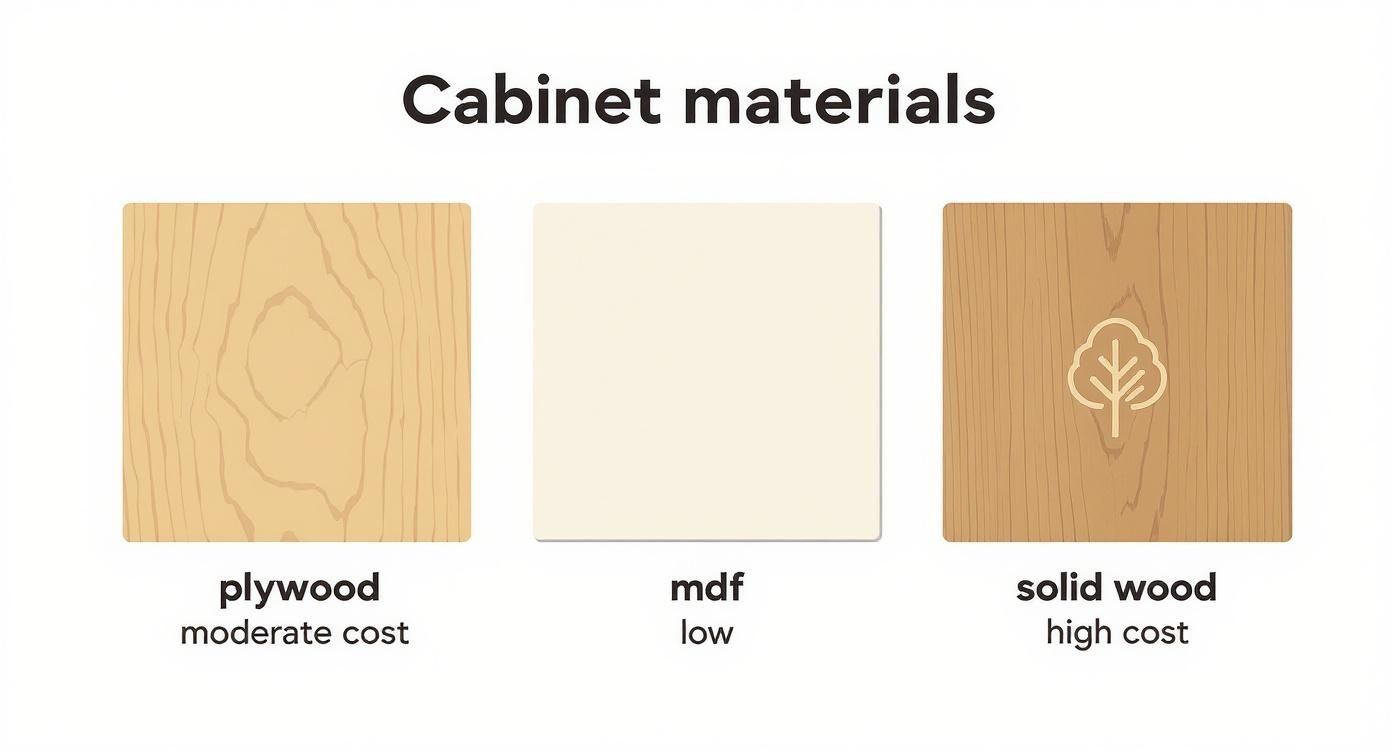
As you can see, while solid wood has that timeless, classic appeal, engineered materials like MDF and plywood can give you a very high-end look without the premium price tag. It's all about finding the right fit for your vision and your wallet.
Decoding Your Quote and Uncovering Hidden Costs
When you get a quote from a supplier, don't just look at the total. That document is your project's financial roadmap. But often, there are "hidden" costs that aren't listed upfront but are absolutely essential to budget for. If you miss these, you could be in for a shock later on.
Make sure your budget accounts for these common extras:
- Professional Installation: Some brave souls go the DIY route, but professional installation is the only way to guarantee a perfect fit and finish. This service usually adds 10-20% to your total cabinet cost.
- Hardware: Knobs, handles, and pulls are the jewellery for your cabinets. Depending on the style and finish you choose, hardware can run you anywhere from a few hundred to even a few thousand dollars.
- Delivery and Logistics: Getting bulky cabinets to your home, especially in a dense urban centre like Toronto or into a condo, comes with logistical costs. Don’t forget to ask about delivery fees.
- Removal and Disposal: Your old cabinets have to go somewhere. The labour to carefully remove them and the fees to dispose of them properly need to be factored in.
- Taxes: This one gets a lot of people! Remember to add HST (13% in Ontario) to all your material and labour costs to get the true final number.
If you're renovating in a specific part of the GTA, it's worth digging into local pricing. You can get a better sense of how factory-direct options can stretch your budget by reading about affordable kitchen cabinets and renovation services in North York.
Factoring in Modern Upgrades and Appliances
Your cabinets don't exist in a bubble. A modern kitchen renovation plan has to look at the entire space as one cohesive unit. As technology becomes a bigger part of our homes, budgeting for appliances requires a fresh perspective.
Your cabinet budget is completely interconnected with your choices in appliances, lighting, and specialized features. They all work together to determine the final project cost and how your new kitchen will actually function.
Here in Toronto, the move towards smart homes is definitely changing how people budget for kitchens. While your cabinets provide the framework, the appliances you put inside them are getting smarter. For example, adding smart connectivity to an appliance can tack on an extra $300 to $800 to its base price. Some designers are even calling this a 10–15% "smart tax," which reflects our city's appetite for new tech. It's a key detail to consider for your overall renovation budget.
By building a complete budget from the get-go—one that includes the cabinets, all the "hidden" costs, and any modern upgrades—you put yourself in the driver's seat. This proactive approach turns what could be a stressful process into an exciting journey, ensuring you end up with the beautiful, functional kitchen you've been dreaming of, without the financial headache.
Understanding the Renovation Timeline
A kitchen renovation is a bit like putting together a giant, exciting puzzle. Knowing the order of the pieces is the secret to making it a smooth, predictable experience instead of a stressful one. When you can map out the journey from that first design chat to the moment the last handle is screwed on, you can plan your life around the work and sidestep those frustrating delays.
Your choice of cabinets really sets the pace for the whole project. If you go with in-stock or ready-to-assemble (RTA) options, you can often have them in just a few days or weeks. But if your heart is set on semi-custom or fully custom kitchen cabinets in Toronto, you'll need a little more patience. These are made just for you, from scratch, so expect a lead time of anywhere from 8 to 12 weeks.
That wait isn't dead time, though. It's when your unique kitchen is being carefully built. Factoring this period into your overall schedule right from the start is the key to a renovation that runs like clockwork.
The Step-by-Step Cabinet Journey
Once you’ve settled on a supplier, the process clicks into place. Each step builds on the one before it, all geared toward getting a perfect fit and a flawless finish. It’s a methodical approach designed to catch any issues early and keep things moving.
Here’s what that journey typically looks like:
- Professional Measurement: A technician comes to your home to get the exact dimensions of your space. This is the blueprint for everything, ensuring every cabinet will fit like a glove.
- Layout and Design Finalization: You'll sit down with a designer to lock in the layout, pick out door styles, debate finishes, and choose your hardware. This is where your vision gets turned into a concrete plan.
- Ordering and Production: After you give the final sign-off, the order is officially placed. For custom or semi-custom cabinets, the factory now kicks into gear and starts building them.
- Delivery and Inspection: Your new cabinets arrive! It's crucial to give every box a once-over right away to check for any shipping damage and make sure everything on the list is accounted for.
- Professional Installation: The installers take over, expertly fitting and securing each cabinet according to the design. This is the magic moment when your new kitchen really starts to feel real.
Renovating in a busy place like Toronto or Markham comes with its own unique playbook. Getting ahead of these local quirks can save you a world of headaches and keep your project on track.
Planning for logistical challenges is just as important as choosing the right cabinet finish. In Toronto, navigating condo rules and city permits is a non-negotiable part of the renovation timeline.
Keep these common Toronto-area issues on your radar:
- Condo Board Approvals: Living in a condo? You'll almost certainly need the board's permission before a single hammer is swung. This can take weeks, so get your renovation plans submitted as early as you possibly can.
- Scheduling Deliveries: Getting bulky items into a high-rise means booking service elevators and sticking to strict time slots. Coordinate with your building management well ahead of time to make sure your delivery day goes off without a hitch.
- Permit Requirements: If you're just swapping out old cabinets for new ones in the same spot, you probably won't need a permit. But, if you’re moving walls, changing the sink's location, or touching any electrical work, a building permit from the City of Toronto is a must. When in doubt, always check with your contractor or the city.
Finding the Right Cabinet Supplier in Toronto

The cabinets you pick will undoubtedly be the star of your kitchen, but the supplier you partner with is the director of the entire production. In the competitive market for kitchen cabinets in Toronto, who you choose to work with will have a huge impact on your project's cost, quality, and overall success. This decision is just as crucial as picking the perfect finish or door style.
Think of it like choosing where to eat. A big-box store is the fast-food chain of the cabinet world—it’s convenient, predictable, and easy on the wallet, but your options are pretty limited. An independent showroom is more like a nice sit-down restaurant with a carefully selected menu and knowledgeable staff. A custom workshop? That’s your personal chef, crafting something totally unique, just for you. Each one has its place; the right choice is the one that fits your appetite.
Understanding Your Supplier Options
When you start shopping around the GTA, you'll quickly see there are a few different types of suppliers. Getting a handle on how they operate is the first step to finding the right fit.
- Big-Box Retailers: You know the names. These massive home improvement stores are a one-stop shop offering stock and semi-custom lines, often at very competitive prices. The trade-off? The level of specialized expertise can be a mixed bag, and true customization isn't really on the menu.
- Independent Showrooms: These are smaller, focused businesses that live and breathe kitchens. They provide a more personal touch, typically carrying several cabinet lines from different manufacturers and offering expert design help to guide you.
- Custom Cabinet Makers: These are the local artisans and workshops that build your vision from the ground up. This path gives you complete freedom over size, style, and material, but it usually comes with the highest price tag and the longest wait.
- Factory-Direct Suppliers: This model cuts out the middleman entirely. You buy straight from the source, which often leads to significant cost savings for cabinets of the same or even better quality. It’s a direct line of communication that can make the whole process feel much smoother.
The best supplier is the one that aligns with the three pillars of your project: your budget, your timeline, and your design vision. There’s no single "best" choice—only the best choice for you.
Vetting Potential Partners Like a Pro
Once you've figured out which type of supplier seems right, it's time to do some digging. A great supplier is more than just a salesperson; they're a partner in your project. Asking the right questions now will save you a world of headaches later on.
Your goal is to get a real feel for their expertise, their reliability, and the quality of both their product and their service. For a deep dive into what to look for, this guide on how to choose the best kitchen cabinet contractor in Toronto is an excellent resource.
Your Essential Supplier Checklist
Before you even think about signing a contract or putting down a deposit, make sure you get straight answers to these questions. A supplier worth their salt will be transparent and happy to provide all the details.
- Where are the cabinets actually made? Knowing the origin of your cabinets tells you a lot about the quality control, the materials they're using, and the stability of their supply chain.
- What's the warranty, and what does it really cover? A strong warranty shows confidence in the product. Get the specifics—does it cover hardware, the finish, structural problems? And for how long?
- Who is doing the installation? Do they have their own dedicated in-house team, or do they subcontract the work out? An in-house crew usually means more consistency and accountability.
- Can I see your work and talk to past clients? Any reputable company will be proud to show you a portfolio of their completed projects in the Toronto area and provide references.
- What is the final, all-in price? Insist on a detailed quote that breaks down every single cost: cabinets, hardware, delivery, installation, and taxes. No surprises.
Choosing your supplier is a foundational step in your renovation. By taking the time to do your homework and ask smart questions, you're setting yourself up to find a reliable partner who will help bring your dream kitchen to life—on time and on budget.
Thinking About Sustainability and Long-Term Value
A smart kitchen renovation isn't just about the initial wow factor or even the price tag. It’s about making a choice that feels good for your home's health and will stand up to years of daily life. More and more, homeowners across the Greater Toronto Area are asking the important questions about where their products come from and what they’re made of. This has put sustainability and solid warranties front and centre when choosing new kitchen cabinets.
Going for an eco-friendly option doesn’t mean compromising on style or durability. In fact, it’s often the opposite. Many sustainable choices are built to last and contribute to a healthier home environment. This kind of forward-thinking ensures your new kitchen isn't just a trend, but a smart investment that holds its value for years to come.
Choosing Eco-Friendly Kitchen Cabinets
So, what makes a cabinet "green"? It really boils down to two things: where the materials come from and what they put into your home's air. When you're shopping for kitchen cabinets in Toronto, look for suppliers who are open about how their products are made. Transparency is key to making a choice that’s good for your family and the planet.
Here’s what to look for in sustainable cabinets:
- Sustainably Sourced Wood: This means the wood comes from forests managed in a way that prevents clear-cutting and protects natural habitats. Certifications are a good indicator of responsible forestry.
- Low-VOC Finishes: Volatile Organic Compounds (VOCs) are chemicals in paints and finishes that can "off-gas" into your home's air, impacting its quality. Low-VOC or zero-VOC options dramatically reduce these emissions, making your kitchen a healthier place to be.
- Durable, Recycled Materials: Many modern, eco-friendly cabinets use engineered wood made from recycled fibres. This approach cuts down on waste and lessens the need for virgin wood.
Your cabinet choice has a direct impact on the air you breathe at home. Picking low-VOC materials is one of the best things you can do to create a healthier kitchen, cutting down on the chemicals that can be released from standard finishes for years after installation.
Understanding Your Cabinet Warranty
A warranty is more than just a document—it’s the manufacturer's vote of confidence in their own product. It’s their promise of quality. But, and this is a big but, not all warranties are the same. You absolutely have to read the fine print to understand what you’re actually covered for.
A good, comprehensive warranty will spell out exactly what’s covered and what isn’t. Typically, it should protect you against defects in the materials and the way the cabinet was built, assuming normal use. This usually includes things like the finish peeling or bubbling (delamination), the cabinet boxes failing, or issues with hinges and drawer slides.
What's usually not covered?
- Damage from a botched installation, misuse, or simple neglect.
- Normal wear and tear, like the odd minor scratch or the colour fading slightly over many years.
- Problems caused by things like a flood, a leaky pipe, or extreme heat.
Before you commit to a supplier, always ask to see their warranty. A company that stands behind its work will have no problem sharing this with you. A strong, clear warranty gives you that crucial peace of mind, knowing your beautiful new kitchen is an investment that's protected for the long haul.
Answering Your Top Questions About Toronto Kitchen Cabinets
A kitchen renovation is a big undertaking, and it’s natural to have a lot of questions. Getting straight answers is the first step to feeling good about your project. We’ve gathered the most common questions we hear from Toronto and Markham homeowners to help you get started with confidence.
How Much Do New Kitchen Cabinets Actually Cost in Toronto?
This is usually the first thing everyone wants to know. The honest answer is: it really depends. The size of your kitchen, the materials you fall in love with, and how much custom work you need will be the biggest factors.
For a standard 10×10 foot kitchen in the GTA, here's a realistic look at what you can expect to budget for the cabinets alone:
- Stock or RTA Cabinets: Plan for somewhere between $4,000 and $8,000.
- Semi-Custom Cabinets: These will generally land in the $9,000 to $20,000 range.
- Fully Custom Cabinets: For true custom work, budgets typically start at $25,000 and can climb from there.
Keep in mind, these numbers are just for the cabinets. Your total project budget will also need to account for installation, hardware, new countertops, and taxes.
Will I Need a Permit to Replace My Cabinets?
This is a critical question, and getting it right can save you a world of trouble. The short answer is, it depends on how much you're changing.
If you’re just doing a simple "like-for-like" replacement—pulling out the old cabinets and installing new ones in the same spot—you generally won't need a permit in Toronto. This assumes you aren't touching any plumbing, electrical, or walls.
The game changes the second you move a sink, add a new outlet for your coffee maker, or decide to open up a wall. Any of those changes will almost certainly require a permit. Your best bet is always to have a quick chat with your contractor or the City of Toronto’s building department before you start swinging a hammer.
What's the Real Difference Between Factory-Direct and Retail?
This one is all about how the cabinets get from the workshop to your kitchen, and it has a huge impact on your final bill.
When you buy from a retail showroom or a big-box store, you're buying through a middleman. They purchase from a manufacturer, add their own markup to cover rent, staff, and profit, and then sell to you. Factory-direct, on the other hand, means you're buying straight from the people who actually make the cabinets.
By cutting out that retail middleman, you often get a much better price for the same quality—or even higher quality—cabinets. It also tends to make communication easier, giving you a direct line to the source for questions about materials, timelines, and custom features.
Ready to see what a high-quality, factory-direct kitchen looks like for your Toronto home? At MapleKing Kitchen Cabinets, we build luxury, customized cabinetry and deliver it without the retail price tag. Get a free quote today and feel the difference.