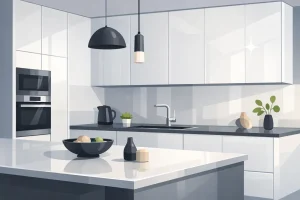

A cabinet door can look exceptional in a showroom and still be the wrong choice for a busy family kitchen. The right decision comes down to how the material handles moisture, cleaning, daily use, your preferred style, and your renovation budget. This kitchen cabinet materials guide breaks down the most common options so you can invest with confidence rather than choose based on appearance alone.
For homeowners planning a kitchen renovation, cabinet materials are not a minor detail. They shape the look of your space, the feel of every door and drawer, and how well your kitchen holds up years after installation. A premium result does not always require the most expensive material. It requires the material that fits your home.
Start With Cabinet Construction, Then Choose the Finish
When people compare cabinet materials, they often mean door and drawer-front finishes. That is understandable because those are the visible surfaces. But cabinet boxes, doors, and finishes each play a different role in quality and performance.
Cabinet boxes are commonly made from engineered wood panels, such as furniture-grade particleboard or plywood, while doors may be real wood, HDF, laminate, or thermofoil. The finish on top determines much of the visual style and cleaning experience. A well-designed kitchen considers all three rather than treating every cabinet as the same product.
For example, a painted shaker kitchen may use real wood doors for a traditional appearance, or painted HDF doors for a smooth, contemporary look. Both can be excellent choices. The better option depends on the design, expected use, and budget priorities for your renovation.
Real Wood Cabinets: Classic Character and Lasting Appeal
Real wood cabinetry remains a favorite for homeowners who want natural grain, warmth, and a timeless feel. Wood doors can be stained to highlight their grain or painted for a more tailored look. They work especially well in traditional, transitional, farmhouse, and elevated classic kitchens.
The key advantage is character. No two wood grain patterns are exactly alike, which gives a kitchen visual depth that printed finishes cannot fully duplicate. Real wood also offers a substantial feel that many homeowners associate with custom craftsmanship.
Wood does come with natural movement. Seasonal changes in humidity can cause minor expansion and contraction, and painted wood joints may show subtle lines over time. This is normal behavior for a natural material, not necessarily a product defect. In a climate with cold winters and humid summers, maintaining stable indoor humidity helps protect any wood cabinetry.
Choose real wood when you value authentic grain, traditional detailing, or a painted cabinet with natural warmth. It is a strong investment for homeowners who want a classic kitchen designed to stay relevant for years.
Painted HDF Cabinets: Smooth, Modern, and Practical
HDF, or high-density fiberboard, is an engineered material made from compressed wood fibers. It has a very smooth, consistent surface, making it an excellent base for painted cabinet doors. Unlike natural wood, HDF has no grain pattern, so paint finishes appear clean and uniform.
This makes painted HDF particularly appealing for modern kitchens, flat-panel doors, and crisp shaker profiles. If your goal is a flawless white, soft gray, black, or custom-color kitchen, HDF provides a polished appearance at a more accessible price point than many solid wood options.
HDF is also stable, which can reduce visible movement at painted joints. However, it is not invincible. Any fiberboard-based product should be protected from prolonged water exposure, especially around sinks, dishwashers, and leaking plumbing. Quality edge finishing, proper installation, and prompt cleanup matter.
For many renovation projects, painted HDF delivers the sweet spot between affordable luxury and reliable performance. It provides a refined painted look without requiring homeowners to pay for wood grain they do not plan to see.
High-Gloss and Matte HDF Finishes
HDF can support very different design directions depending on the finish. High-gloss HDF creates a sleek, reflective surface that brightens smaller kitchens and complements contemporary condos. It has a dramatic, polished look, though fingerprints and smudges can be more visible on darker glossy colors.
Matte HDF offers a softer, more understated finish. It is ideal for homeowners who prefer modern cabinetry without shine and want a surface that is generally more forgiving in day-to-day use. Matte black, warm white, taupe, and muted green cabinetry can create a designer-inspired kitchen that still feels comfortable and livable.
Laminate Cabinets: Versatile Style With Everyday Durability
Laminate cabinets use a durable decorative surface bonded to an engineered core. Modern laminates have come a long way from the limited patterns many people remember. Today, they can replicate wood textures, stone-inspired looks, solid colors, and contemporary textured finishes with impressive consistency.
Laminate is a practical choice for active households because it resists scratches, stains, and routine wear well. It is also easy to clean with a soft cloth and mild soap. This makes it a smart option for families, rental property renovations, and homeowners who want a low-maintenance kitchen without sacrificing style.
Another benefit is design flexibility. Laminate can deliver the look of natural oak, walnut, concrete, or a painted solid color at a cost that helps keep more room in the budget for countertops, storage upgrades, lighting, or appliances.
The trade-off is that laminate does not have the same depth or repair potential as real wood. Damage to edges or a deep chip may be harder to repair invisibly. Still, when properly fabricated and installed, laminate cabinetry offers strong value and a clean, durable finish for everyday kitchens.
Thermofoil Cabinets: Budget-Friendly and Easy to Maintain
Thermofoil cabinet doors are typically made from an MDF core wrapped in a vinyl-like material using heat and pressure. The result is a smooth, uniform surface with no painted brush texture. Thermofoil is commonly used for simple shaker, slab, and raised-panel door styles.
This material is often one of the most budget-friendly ways to achieve a bright, finished kitchen. White thermofoil remains popular because it creates a clean look, wipes down easily, and works well with many countertop and backsplash choices.
The main consideration is heat. Thermofoil can be sensitive to excessive heat exposure, particularly near ovens without adequate heat shielding. It can also be difficult to repair if the surface peels or becomes damaged. For kitchens with normal ventilation, proper appliance installation, and a realistic budget, it can be a sensible, attractive option.
How to Choose the Right Kitchen Cabinet Material
The best material is rarely the one with the longest feature list. It is the one that matches how you use your kitchen and what you expect from your renovation. Start with your style. Natural wood or wood-look laminate suits a warm, layered design, while painted HDF, matte finishes, and high gloss surfaces lean more contemporary.
Next, think about maintenance. If you have young children, frequent cooking, or a household where cabinets get heavy use, laminate or matte HDF may be easier to live with than a dark high-gloss finish. If a natural, custom look matters more than perfect uniformity, real wood may be worth the added investment.
Finally, protect your budget where it counts. Cabinet material is only one part of the project. Good layout planning, functional storage, durable hardware, accurate measurements, and professional installation all contribute to the finished result. A thoughtfully selected HDF or laminate door in a well-designed kitchen can feel far more premium than a costly material used in a poorly planned layout.
A Better Way to Balance Style and Value
There is no single winner in a kitchen cabinet materials guide because every material solves a different problem. Real wood brings natural character. Painted HDF delivers a smooth, refined finish. Laminate provides durable versatility, while thermofoil makes a finished look more attainable for budget-conscious renovations.
The most satisfying kitchens are built around real life: how you cook, who uses the space, what you want to clean, and the style you will still enjoy after the renovation excitement settles. MapleKing Kitchen Cabinets helps homeowners compare these options with professional design guidance and factory-direct pricing, so your cabinet choice can feel personal, practical, and worth every square foot.