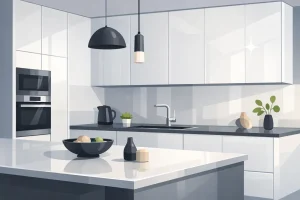

A cabinet quote can look affordable until design changes, missing trim, delivery fees, and installation details start adding up. Knowing how to buy kitchen cabinets direct from manufacturer helps you compare the complete project, not just the price of a cabinet box. For homeowners planning a renovation, factory-direct buying can be a practical path to custom style, premium materials, and better budget control – provided you know what to ask before ordering.
What Factory-Direct Cabinet Buying Really Means
Buying direct means you work with the company that manufactures or sources your cabinetry through its own production channel, rather than paying multiple retail and showroom markups. That can create meaningful savings, especially on a full kitchen, while giving you more access to finishes, cabinet sizes, and customization options.
It does not automatically mean every cabinet is made locally or that the lowest quote is the best deal. Some suppliers offer stock cabinet lines with limited changes; others build more flexible, project-specific kitchens. The real advantage is the ability to speak with a cabinetry specialist who understands the product, the construction options, and the cost of each decision.
For a renovation, that direct relationship matters. If you need a shallow pantry, a taller upper cabinet, a panel-ready refrigerator surround, or a finish that works with your flooring, a factory-direct supplier can often provide clearer answers than a general retailer working from a fixed catalog.
Start With a Measured Kitchen Plan
Do not begin by choosing a door color. Begin with your room. Accurate measurements prevent one of the costliest cabinet problems: ordering a layout that looks right on paper but does not account for walls, appliance clearances, plumbing, soffits, or uneven floors.
Measure each wall, window, doorway, ceiling height, and appliance location. Record the width, depth, and height of every obstacle, including vents, radiators, and electrical panels. Take photos from several angles. If you are replacing cabinets in the same footprint, note where existing plumbing and electrical connections are located, but do not assume the old layout is the best use of space.
A professional cabinet design service can turn those rough measurements into a workable layout. This step is especially valuable in condos, older homes, and compact kitchens, where an inch can affect whether a dishwasher door opens comfortably or a drawer clears a doorway.
Decide What Needs to Change
Your layout should solve daily frustrations before it adds decorative features. Think about where groceries land, how close the trash pullout is to the prep area, and whether your most-used cookware is easy to reach. A beautiful kitchen is more valuable when it also makes weekday cooking easier.
Be upfront about appliances. Cabinet dimensions depend on the exact model or, at minimum, the manufacturer specifications. A range, refrigerator, microwave, and hood each require intentional spacing. Waiting until after cabinets are ordered can lead to expensive filler panels or last-minute compromises.
Compare Materials and Construction, Not Just Door Styles
Two white shaker kitchens can have very different prices and long-term performance. The difference often comes down to cabinet construction, door material, hardware, finish quality, and the level of customization included.
Real wood painted cabinetry offers a classic, substantial appearance and works well for traditional, transitional, and many modern designs. Because wood naturally expands and contracts, painted wood may show subtle movement at joints over time. That is normal, but buyers who want a very uniform painted surface may prefer engineered options.
HDF painted cabinets provide a smooth, consistent painted finish and are popular for clean-lined contemporary kitchens. High-gloss HDF delivers a reflective, modern look, while matte HDF offers a softer finish with a polished feel. Laminate can be a smart choice for homeowners seeking durability, easy cleaning, and a broad range of woodgrain or modern colors. Thermofoil is another budget-conscious option that can create a smooth, low-maintenance door surface.
There is no universal best material. A busy family may prioritize easy-care laminate or matte HDF. A homeowner restoring a more traditional property may prefer painted wood. The right choice balances the look you want, the way you use the kitchen, and the investment level you are comfortable with.
Questions to Ask About Cabinet Quality
Before approving a quote, ask the manufacturer or direct supplier to explain what is included. You should understand the box material, back-panel thickness, drawer construction, hinge type, and whether soft-close hardware is standard. Ask how doors are finished and what edge treatments are used on laminate or thermofoil products.
Also ask to see finish samples in your home if possible. Kitchen lighting changes color dramatically. A warm white that looks perfect under showroom lights can read cream next to cool flooring or bright sunlight. Samples also let you judge texture, sheen, and how easily fingerprints show on a dark or glossy surface.
Get a Complete, Itemized Quote
The strongest factory-direct quote is clear enough that you can compare it with another proposal line by line. It should show the cabinet boxes, doors, panels, fillers, toe kicks, crown molding, hardware, accessories, and any design, delivery, or installation charges.
A low starting price is not the same as a lower project price. Decorative panels, tall pantry units, pullouts, floating shelves, and custom modifications can change the total quickly. None of these additions are inherently bad – many are worth the investment – but they should be visible before you commit.
Ask whether the quote includes the following:
- Final site measurements and a detailed cabinet layout
- Design revisions before production begins
- Delivery, unloading, and inspection procedures
- Installation, or clear cabinet-ready requirements for your contractor
- Warranty coverage for cabinet boxes, doors, finishes, and hardware
It is also wise to ask about payment timing. Custom cabinetry usually requires a deposit before production, with the remaining balance tied to a production or delivery milestone. Make sure the schedule, change-order policy, and cancellation terms are documented in writing.
Review the Design Before Production
A cabinet layout is not just a drawing. It is the instruction set for your kitchen. Review every elevation and cabinet schedule carefully. Confirm door swings, drawer locations, appliance openings, finished end panels, trim details, and the position of handles or pulls.
Pay special attention to filler pieces. Fillers are often necessary to allow doors and drawers to open properly near walls or appliances, but they should be planned rather than treated as an afterthought. In a well-designed kitchen, they blend into the composition instead of looking like a gap that had to be covered.
This is also the time to decide where you want upgraded storage. A single deep drawer base for pots and pans may be more useful than several standard shelves. A pullout trash unit can improve workflow. On the other hand, loading every cabinet with specialty accessories can strain the budget without improving your specific routine. Choose upgrades that solve a real problem in your kitchen.
Plan for Delivery and Installation Early
Factory-direct cabinets can offer excellent value, but the handoff from production to installation needs coordination. Confirm the lead time before you schedule demolition. Cabinet timing can depend on the finish, customization level, production capacity, and shipping distance.
Your room should be ready before installation begins. Floors should be level or have a clear plan for correction, walls should be prepared, and major electrical or plumbing changes should be completed. If new flooring is being installed, coordinate the sequence with your contractor so cabinet bases, appliances, and transitions are handled correctly.
When the cabinets arrive, inspect the shipment before installation. Look for visible damage, verify cabinet labels against the design, and report any concerns promptly. A reputable direct supplier should have a defined process for addressing damaged or missing components.
Choose a Direct Partner, Not Just a Low Price
The best way to buy kitchen cabinets direct from a manufacturer is to choose a company that can guide the project from layout through final delivery. Savings matter, but responsive design support, transparent specifications, and dependable follow-through protect the value of those savings.
MapleKing Kitchen Cabinets helps homeowners pursue affordable luxury with professionally designed cabinetry, material choices that fit real lifestyles, and factory pricing without unnecessary showroom markups. Whether your priority is a painted wood kitchen, a sleek matte finish, or durable laminate cabinetry, the right plan begins with honest measurements, clear specifications, and a quote built around your home.
A well-planned cabinet purchase should leave room in the budget for the details that make a kitchen feel finished: the right countertop, lighting, hardware, and installation work. Start with a design conversation that answers the practical questions early, and your new kitchen can feel custom in every way that counts.